


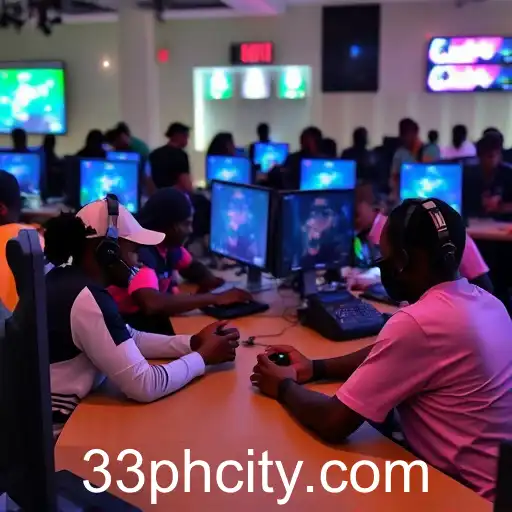
Exploring the growth of online gaming in Port Harcourt and its impact on the community and economy.
In recent years, Port Harcourt, often referred to by the locals as "Phcity," has seen a substantial rise in the popularity of online gaming. This boom is not only transforming the entertainment landscape of the city but is also having a significant impact on its economy and culture.
One of the primary factors contributing to this growth is the increasing accessibility of high-speed internet and affordable gaming devices, which has enabled more residents to participate in the online gaming community. Gaming cafes and internet hubs have quickly become social epicenters, where enthusiasts from all walks of life gather to engage in their favorite games, ranging from multiplayer battle arenas to intricate strategy games.
The local government has taken notice of this trend and is investing in digital infrastructure projects to support the burgeoning gaming industry. Initiatives to improve internet connectivity in the city are already underway, making it easier for gamers to connect not just locally but also globally. This has opened up avenues for competitive gaming, with local gamers making their mark in international tournaments.
The economic ramifications are significant as well. The rise of online gaming has spurred job creation, from tech support and game development roles to opportunities in marketing and event management. Local businesses, particularly those in the hospitality and services sectors, have benefited from increased traffic and engagement, particularly during gaming events and conventions.
Another intriguing aspect of this dynamic is the community it fosters. Online gaming in Port Harcourt has become a unifying force, breaking down barriers across different demographics. It has created a platform for dialogue and collaboration, as gamers discuss strategies, share insights, and cheer for their peers in competitions.
In conclusion, the integration of gaming into the daily lives of Port Harcourt residents has proven to be more than just a fleeting trend. It marks a significant cultural shift that will likely continue to grow and evolve, influencing both the economy and social fabric of the city in the years to come.

